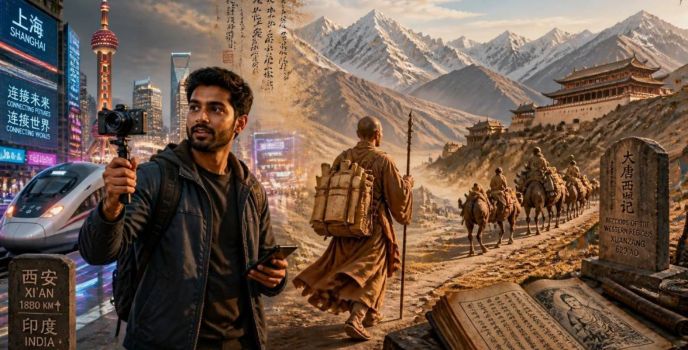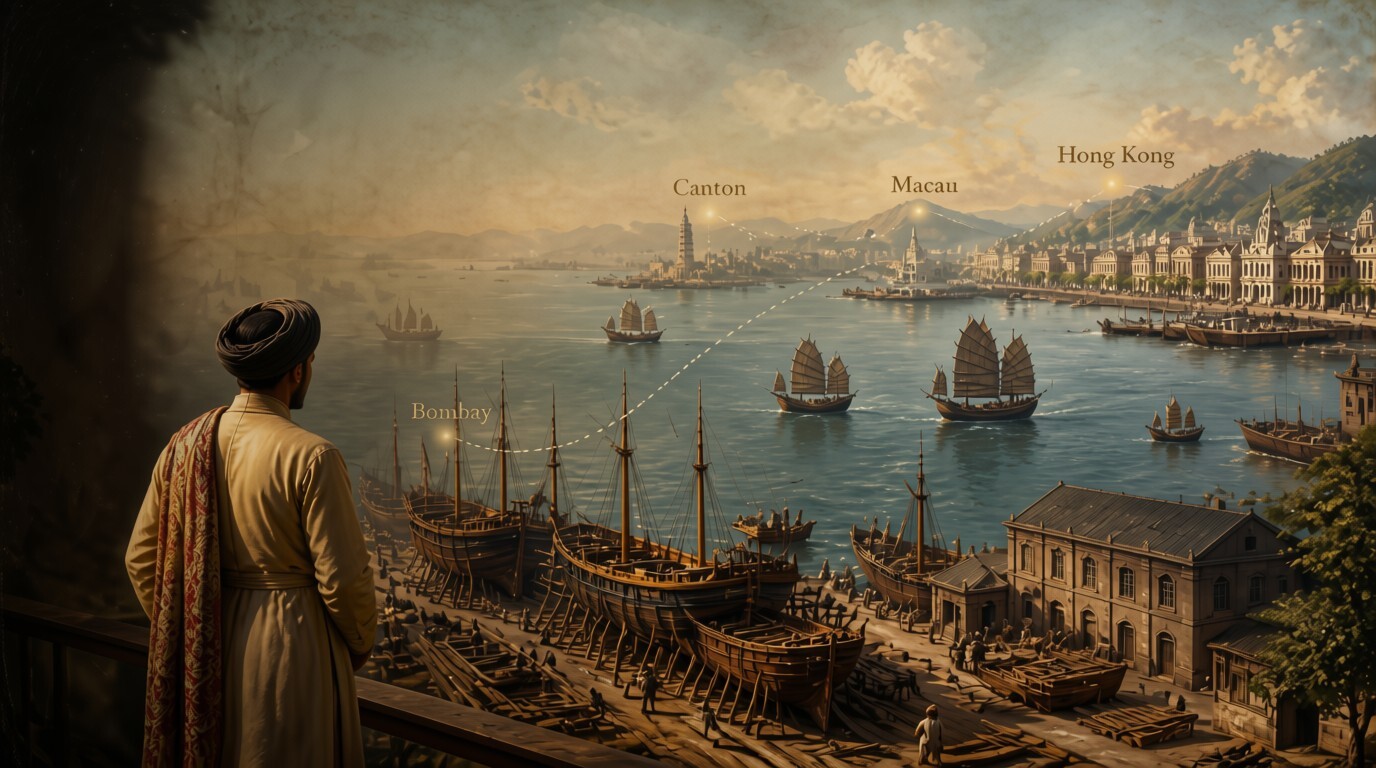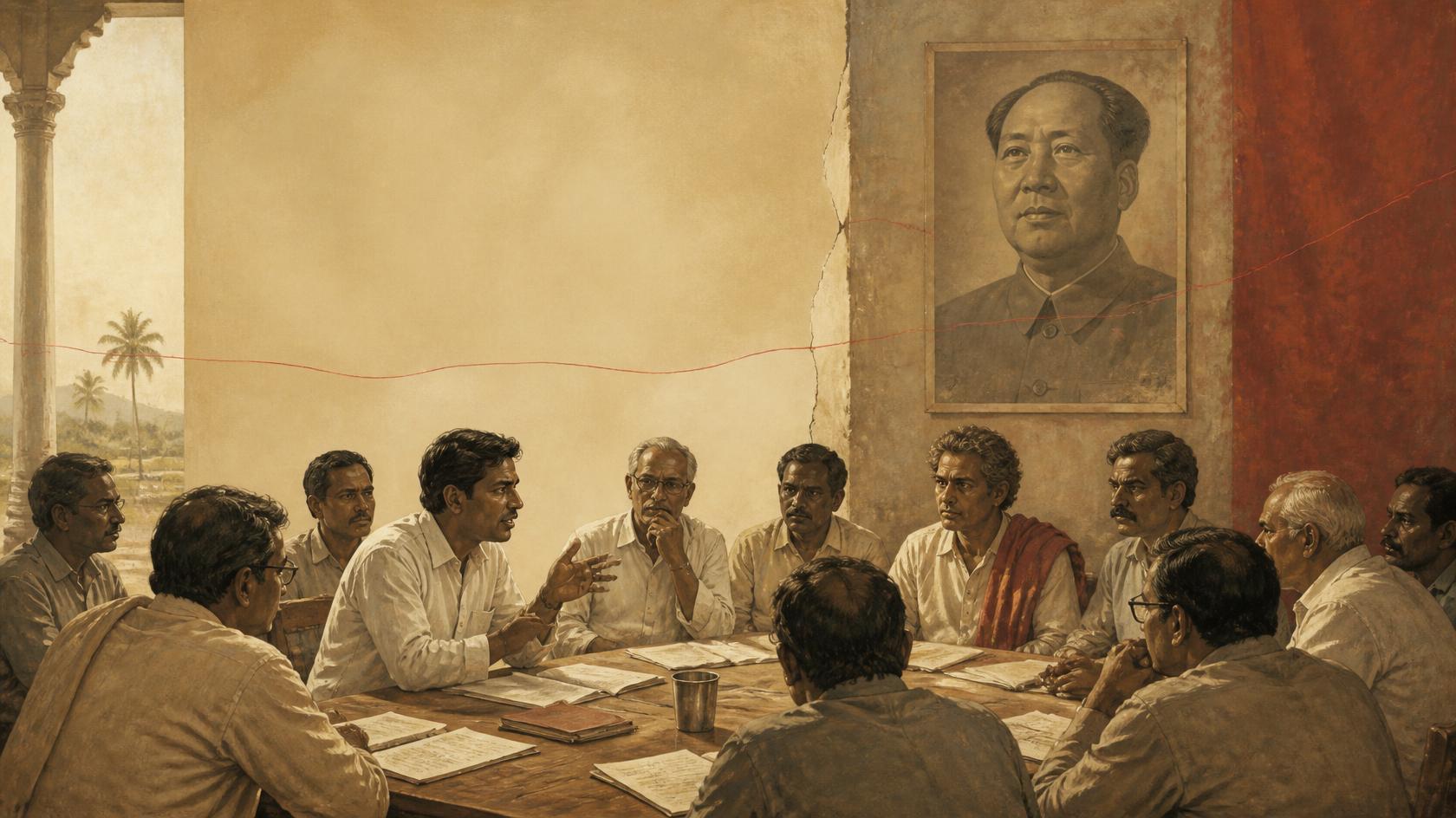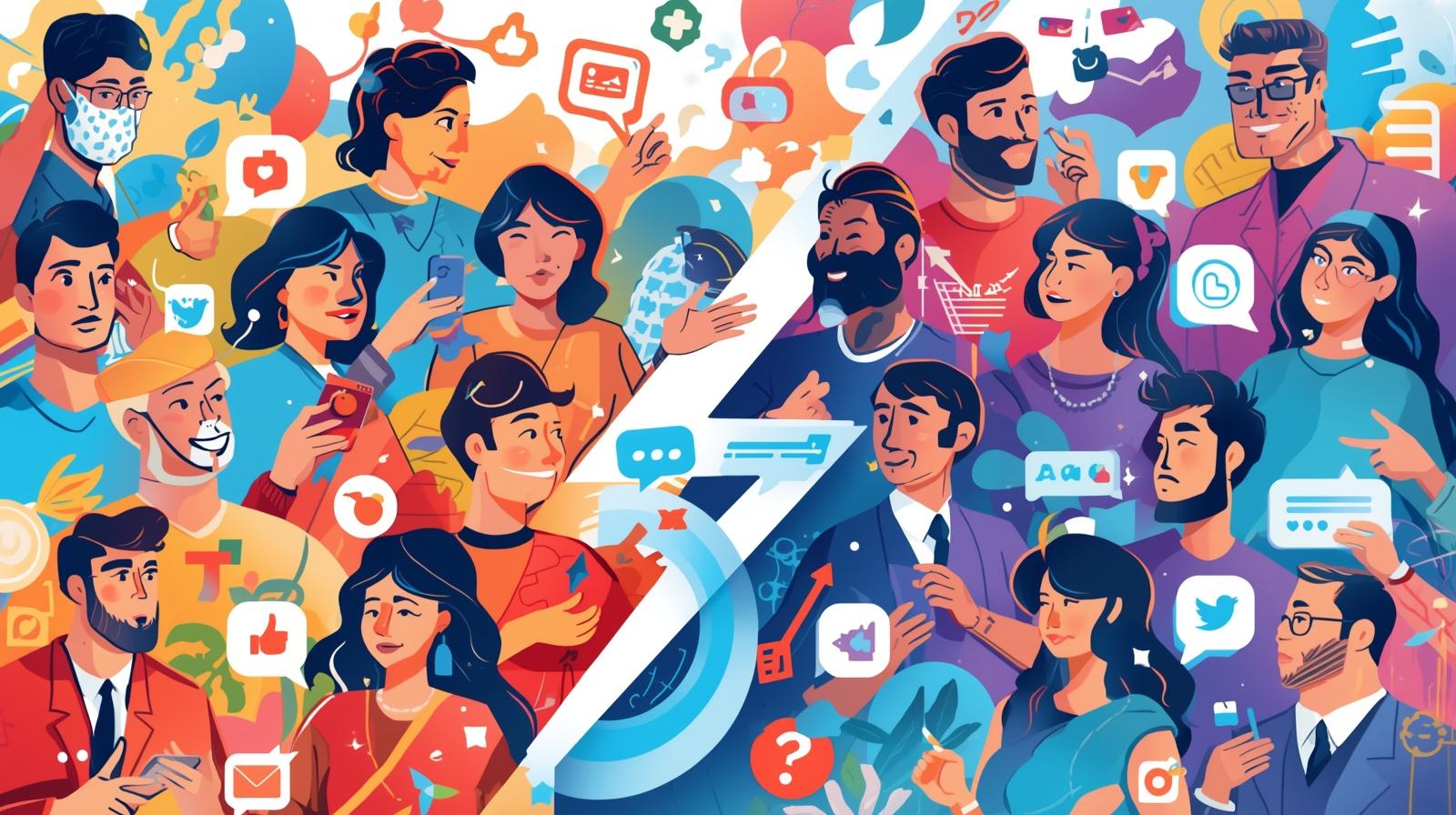
Social media platforms like Xiaohongshu and Weibo have emerged as vital forums that encourage cross-cultural exchange and interactions among the citizens of India and China. Despite the Great Firewall of China restricting access to global platforms like Instagram and YouTube, Indian creators residing or traveling to China have managed to establish a niche within China’s social media platforms. Their content ranges from travel vlogs, yoga tutorials, dance videos, and lifestyle content, all of which encourage curiosity and bottom-up diplomacy.
Indian influencers often have to contend with entrenched stereotypes and narratives while navigating this relatively new form of interaction. Additionally, individual behaviour also runs the risk of becoming representative of an entire nation. This was the case in 2024, when Indian travel vlogger Jyoti Malhotra received widespread backlash in both nations for her behavior in China.
Geopolitics further complicates the influencer landscape, and inhibits cross-cultural exchange. Indian security agencies have identified cases where influencers disseminated narratives promoted or influenced by Chinese propaganda, sometimes allegedly supported by financial incentives and access. This included influencers who exclusively posted content on Xinjiang and Tibet in a positive light, a practice observed in other countries as well.
Besides these “paid” influencers, many Indian creators continue to post everyday content that resonates with Chinese audiences because of its banal and casual nature. Friendship narratives by Chinese users like “留学期间最好的朋友是一个印度女生” (“my best friend during my studies was an Indian girl”) humanize India, with comments expressing solidarity and understanding. On Xiaohongshu, posts such as “Hello Chinese friends! I am from India. I want to make foreign friends,” attract cultural exchange and invite interactions that further understanding and engagement. Under such posts, comments include questions like, “What festivals do you celebrate every year?”, which is a form of genuine curiosity that contrasts with geopolitical tensions at the state level.
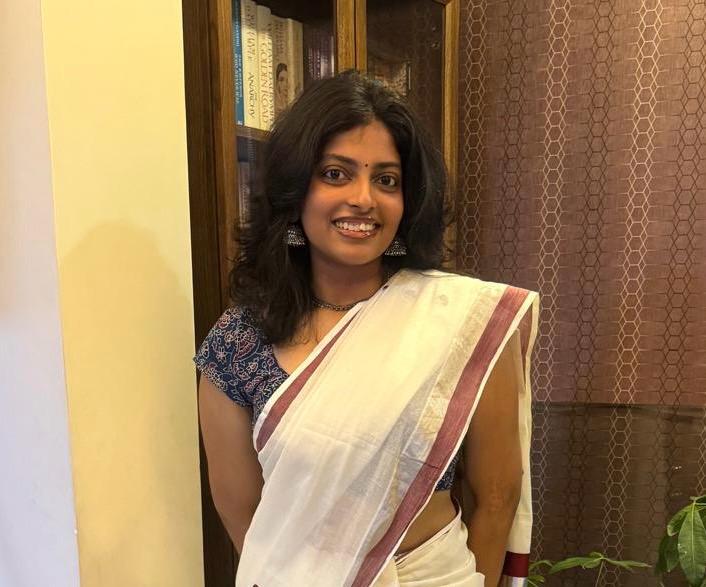
Content displaying India’s cultural traditions has also become extremely popular. These include accounts such as @库契普迪Meera, whose classical Bharatnatyam videos have received over 180,000 likes and attract comments like “印度的古典舞 真的很有神性,精髓是表情,怒目圆瞪直击人心” (“Indian classical dance is truly divine, its essence lies in the expressions, with a piercing glare that strikes straight through the heart”). Similarly, yoga instructor @印度老师Narayan教瑜伽, with nearly 700,000 likes in total, is frequently praised for his discipline and no-nonsense yoga tutorials. Another interesting example of cross-platform content circulation on Chinese social media is the Xiaohongshu user @Navya, who is based in India and states that she is “here to do cultural exchanges and learn more about Chinese culture.”
Xiaohongshu user @Navya, by reposting Instagram content like Indian women wearing saris and lehengas, Indian food, historical dramas, and everyday life videos for a Chinese audience, has amassed more than 30,000 followers and bridged otherwise disconnected audiences on digital platforms. Reposted content is often reframed through platform-specific Mandarin captions, hashtags, meme formats, and aesthetics, allowing Indian popular culture to circulate in a Chinese setting. This practice expands visibility but also introduces new challenges, since content that performs well on Instagram in front of a global audience might not have the same impact on Chinese social media platforms. Therefore, influencers must constantly partake in an active process of translation and negotiation to pierce through the veil of cultural differences.
At the same time, positive visibility co-exists alongside more troubling trends. Certain creators, with Chinese IPs, have leaned into stereotypes to boost engagement. Posts with captions like “高种姓美女品尝手抓饭” (“High-caste beauty tries eating with hands”) make casual reference to complex systems like caste while “othering” Indians and catering to Chinese audiences’ prejudices of Indian society. This problem is worsened by users with pages dedicated to reposting clips of “unhygienic Indian street food.” Comment sections under such posts are often radicalized against Indians and do not contribute to any meaningful exchanges. Unfortunately, these pages and posts get a lot more views and interactions, and have recently started making use of AI to further these skewed narratives.

One notable counter to stereotype-driven content on Xiaohongshu is the emergence of Indian creators who invite meaningful dialogue while setting strict boundaries of non-tolerance towards racism. In one widely shared post, an Indian creator from Kerala wrote, “我是印度人,问我任何问题。我来自南印度的喀拉拉邦,我在这个平台看到很多制造误会的帖子,很想和怀有善意的中国朋友开启正常的对话,消除隔阂” (“I am Indian, ask me anything. I come from Kerala in South India. I see many posts on this platform that create misunderstandings, and I want to start a normal dialogue with well-intentioned Chinese friends to remove barriers.”) The post distinguishes between genuine curiosity and prejudice and rejects racist behavior by warning that users with offensive questions will be blocked. The comment sections under such posts often reflect a more respectful tone, with commentators enquiring about popular actors like Aamir Khan, culture, social institutions, governance, and infrastructure. In this manner, posts like these actively oppose the sensationalization of Indian culture and promote an understanding environment.
Indian influencers on Chinese social media operate within a dynamic space with room for positive interactions. As the role of social media continues to become more important for cultural exchange, Indian influencers must recognize their role as intermediaries and balance responsibility with creativity. Their increasing visibility on Chinese social media highlights a reality where people-to-people exchange is no longer limited to formal diplomacy, but also shaped by digital platforms through viral posts and popular figures.