Cotton is a wispy fiber born from a delicate plant, which has woven a rich tapestry of cultural exchange between China and India. It comes in various categories; by length (long-staple, short-staple and medium staple) for fabrics such as muslin and fine threadwork, by color (white, dyed and coloured used in textiles) and by region, such as Indian cotton, Chinese cotton and New World cotton.
Cotton’s place in India and China’s civilizational and cotemporary connections is enduring and representative of the two-way flow of trade, ideas and people. Its place in the cultural imagination of India and China in the past was shaped by traders, writers and kingdoms, but in the contemporary period cotton tells the story of two economies competing and harnessing cotton for economic development.
Origins and Early Contacts
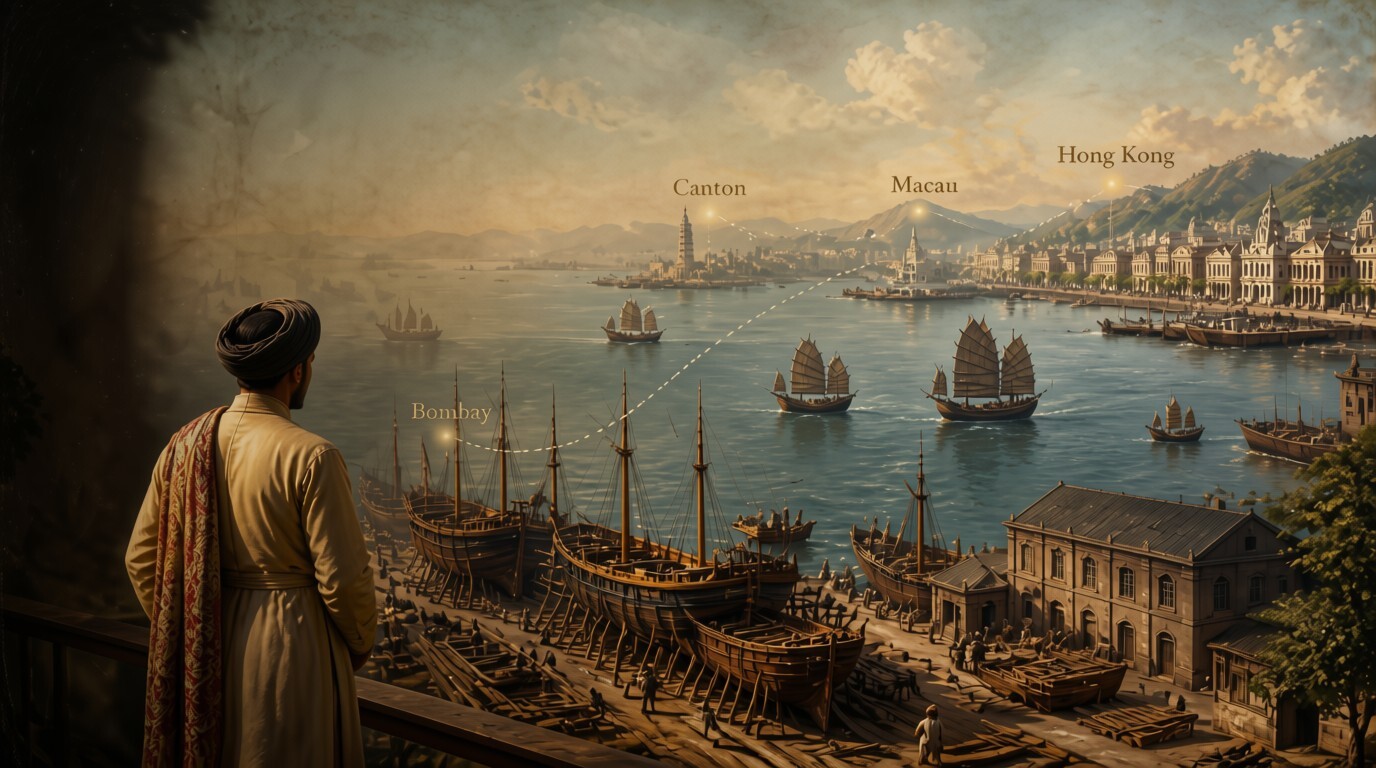
The earliest interaction between India and China involving cotton can be traced back to 200-300 BCE when the Indian fabric, made its way to China across the Ancient Silk Road. Cotton in India perhaps followed a northern route overland from Central Asia to China's Gansu and Shanxi provinces, and later a maritime route to Hainan island, Guangdong and Yunnan. Like silk, cotton was the other principal manufactured good traded/exchanged between China and India. Several historians have identified references in Chinese dynastic chronicles of Indian cotton, highlighting its early presence in China.
Moreover, archaeological evidence from Xinjiang, a crossroads of civilisations, reveals fragments of Indian cotton textiles dated from the 3rd century CE, hinting at a vibrant exchange across the Himalayas. Moreover, the discovery of plain cotton in the Wuyi mountain boat coffins in the 1980s in Fujian has raised speculation that it could have been imported from India, since cotton was not widely cultivated in China at the time. Given that India possessed cultivation and weaving technologies and these textiles spread to Central Asia, it is possible that Indian cotton was traded further inland in China as early as 200 CE. In India, cotton used for cloth was known as Tūla, which translated into “douluo” in Chinese. Ancient Chinese texts describe cotton as “douluo cotton was very soft, just like willow catkin or grass catkin”.
Widespread Presence
By the Medieval era, both China and India had flourishing cotton industries of their own, characterized by their own unique techniques. India was known for its handloom weaving, producing exquisite muslin and chintz fabric renowned for its vibrancy and texture. From 300-1500 CE, Indian cotton textiles reached China through maritime commercial networks and intermediaries such as Southeast Asian kingdoms like Champa (present day Vietnam) and Java (present-day Indonesia). The Song dynasty for instance, encouraged maritime commerce and Champa was one of the principal nodes connecting the South China Sea with the Indian Ocean. Indian cotton is considered to be the single most important imported product in Southeast Asia. The Chola empire too established trading settlements throughout Southeast Asia and their primary export was cotton and its destination was China. Quanzhou in China, where Tamil merchants around the time of the Song dynasty made maritime trade with China expand with a settlement, saw cargoes come from India among other places.
Chinese chroniclers like Zhao Rukua attest to the presence of Indian cotton around this time. In his account of countries with which Chinese merchants traded, Zhufan Zhi, he notes than cotton came from various kingdoms in India. Moreover, The Travels of Marco Polo indicate that Indian cotton cloth was taken back by Chinese merchants who came to India by ship. Indian cotton fabrics became a status symbol for the Yuan aristocracy too, reflecting their access to rare and luxurious goods.
Contemporary Threads
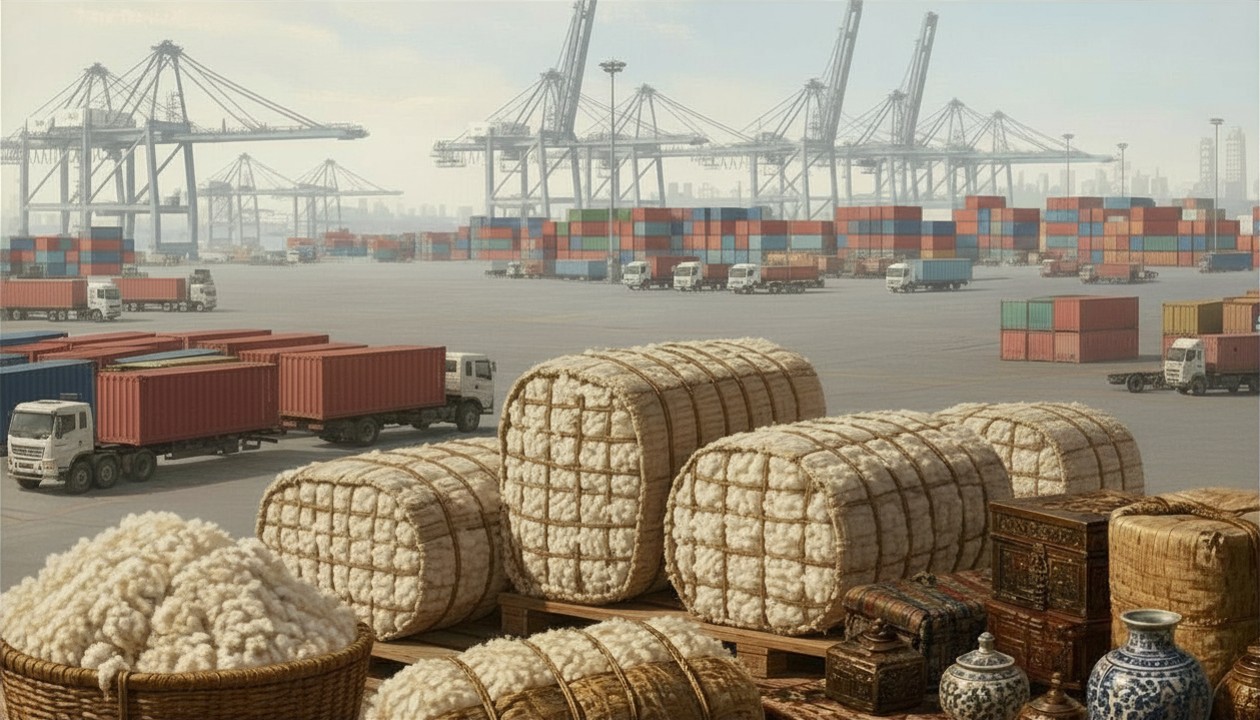
The cotton thread is still woven into the contemporary fabric of India-China relations, albeit with new designs. Cotton continues to be important to India-China relations, even though trade imbalances have changed. Although India-China relations have seen tensions flare and relations deteriorate between 2017 and 2025, trade between both countries has continued unabated. The two countries remain deeply intertwined within the global cotton and textile value chains. India is one of the world's largest producers of raw cotton, while China is the world's largest consumer of cotton and the largest manufacturer of textiles and apparel. This complementary relationship has made China an important, though fluctuating, destination for Indian cotton and cotton yarn exports.
For instance, China imported approximately USD 470 million worth of cotton and cotton products from India in 2024, including USD 306 million of cotton yarn and USD 147 million of raw cotton. Rather than being a simple buyer–seller relationship, the two countries occupy different but complementary segments of the same textile supply chain: India remains a major supplier of fibre and yarn, whereas China dominates downstream spinning, weaving, garment manufacturing, and exports.
At the same time, domestic and global shifts in textile production are reshaping this relationship. China's domestic policies to support cotton production in Xinjiang have reduced its dependence on any single source of cotton, while India increasingly exports cotton and yarn to alternative manufacturing hubs such as Bangladesh and Vietnam. China exerts significant influence over Indian cotton markets because of its sheer scale as a consumer and importer. The International Cotton Advisory Committee estimates that China accounts for around one-third of global cotton consumption, while India contributes roughly 22%, making the two countries together responsible for more than half of global cotton use.
Cotton has functioned as a cultural go-between as well as trading link between India and China, fostering understanding between people, even outside of actual trade. Its legacy transcends mere trade volumes. It represents cultural resonance, historical ties and potential for economic cooperation that still bind China and India together. The age-old cotton thread pledges to stay a vibrant strand in the constantly changing fabric of India-China relations.

.jpg)