

Global Conference on New Sinology (GCNS)
DATE: 27 - 29 SEPTEMBER 2026
VENUE: INDIA INTERNATIONAL CENTRE (IIC), NEW DELHI
Concept Note
Theme: Zìlì Gēngshēng in an Era of ‘Great Changes Unseen’
China today stands at the intersection of profound domestic transformation and an increasingly volatile international order. From technological competition and supply chain fragmentation to demographic transitions, economic restructuring and intensifying geopolitical rivalry, Beijing characterises the contemporary international environment as one marked by “great changes unseen in a century” (百年未有之大变局). Although the phrase predates the presidency of Xi Jinping, it is under his leadership that it has become one of the defining frameworks through which the Communist Party of China (CPC) interprets the contemporary international order. Originally articulated by Chinese political scientist Yuan Peng in 2009, the concept was elevated into strategic lexicon by Xi in 2017. It has since been incorporated into the broader architecture of Xi Jinping Thought post the 19th Party Congress, presenting a clear example of analytical assessment transforming into ideological dictum via which Zhōngnánhǎi understands the shifting global balance of power.
It is also within this worldview that zìlì gēngshēng (自力更生) - which translates to “regeneration through one’s own effort” or more simply, self-reliance - has acquired renewed strategic significance. Originally articulated during the revolutionary period as a principle of political survival and national reconstruction, zìlì gēngshēng has undergone successive reinterpretations across different phases of the People’s Republic of China (PRC). Now embedded within contemporary policy as seen in the 15th Five-Year Plan, the phrase is not confined to revolutionary rhetoric but rather used to push forward frameworks governing scientific innovation, military modernisation, new quality productive forces, social norms and more. The concept increasingly informs Beijing’s efforts to navigate external pressures/constraints while concurrently reshaping China’s developmental and global positioning within what it defines as an era of great changes unseen in a century.
The Fourth Edition of the Global Conference on new Sinology (GCNS) seeks to examine the contemporary meanings, applications and implications of zìlì gēngshēng across China’s internal and external behaviours within the broader framework of great changes unseen in a century. Moving beyond conventional interpretations of zìlì gēngshēng as ‘self-reliance’ that translates into economic or political autarky, the conference will explore how the concept in its true form - regeneration through one’s own effort - is reshaping elite politics, Party ideology, state-market relations, technological governance, military strategy, regional diplomacy and China’s engagement with the Global South in an age of systemic transformations.
Bringing together sinologists, scholars, policymakers, diplomats, practitioners, industry experts and researchers from around the world, GCNS 2026 continues with its aim to foster interdisciplinary dialogue on the intellectual foundations of Chinese statecraft in New Delhi. Through discussions and debates spanning politics, economics, security, technology, foreign policy, society, military and strategic affairs, the conference will aim to deepen the understanding of how China is adapting to an era it defines as one of great changes unseen in a century, and how zìlì gēngshēng is shaping its vision for navigating the uncertainties of the decade.




Speakers


28th - 29th September 2026
THEME
NETWORKING LUNCH
01:00 PM - 02:00 PM

WELCOME ADDRESS: ORCA & HD
02:00 PM - 02:15 PM
SESSION I: INDIA'S STRATEGIC THINKING ON HIMALAYAN WATERS
02:15 PM - 02:45 PM
(Closed-door discussion under Chatham House Rule - Invite only)
SESSION II - COMPARATIVE LESSONS FOR THE HIMALAYAS
04:00 PM - 05:30 PM
(Closed-door discussion under Chatham House Rules- Invite only)
CLOSING REMARKS
05:30 PM - 05:45 PM
CLOSED-DOOR FIRESIDE CHAT
06:30 PM - 07:30 PM
BY INVITATION ONLY
WELCOME DINNER
07:30 PM - 10:00 PM
BY INVITATION ONLY
REGISTRATION
08:30 AM - 09:00 AM
OPENING REMARKS
09:00 AM - 09:10 AM
KEYNOTE ADDRESS
09:10 AM - 09:40 AM
CLOSING OF OPENING SESSION
09:40 AM - 09:45 AM
MORNING TEA
09:45 AM - 10:15 AM
PANEL I - GREAT CHANGES, STRATEGIC RESPONSES: CHINA'S REGENERATION PLAYBOOK
10:15 AM - 11:25 AM
SESSION I - HOW IS CHINA’S SELF-RELIANCE INTEGRATED AND IMPLEMENTED AS A NATIONAL STRATEGY?
EXPERTS’ DIALOGUE I - SIGNALS BEFORE SUCCESSION: ZHONGNANHAI’S ROAD TO THE 21ST PARTY CONGRESS
11:25 AM - 12:10 PM
SESSION I - HOW IS CHINA’S SELF-RELIANCE INTEGRATED AND IMPLEMENTED AS A NATIONAL STRATEGY?
PANEL II - BEIJING’S SELF-SUFFICIENT ARCHITECTURE FOR A NEW MANDATE OF POWER
12:10 PM - 01:00 PM
SESSION I - HOW IS CHINA’S SELF-RELIANCE INTEGRATED AND IMPLEMENTED AS A NATIONAL STRATEGY?
LUNCH
01:00 PM - 02:00 PM
EXPERTS’ DIALOGUE II - INDIA-CHINA IN THE 2020s: LESSONS, CHOICES AND THE BILATERAL’S GLOBAL SIGNIFICANCE
02:00 PM - 02:45 PM
SESSION II - HOW ARE CHINA’S DOMESTIC PRIORITIES AND FOREIGN POLICY SHAPING THE INTERNATIONAL ORDER?
PANEL III - FOREIGN POLICY INSTITUTIONS, ACTORS AND DECISION-MAKING IN THE NEW ERA
02:45 PM - 03:45 PM
SESSION II - HOW ARE CHINA’S DOMESTIC PRIORITIES AND FOREIGN POLICY SHAPING THE INTERNATIONAL ORDER?
KEYNOTE ADDRESS - PEACEMAKER OR POWERBROKER? CHINA’S CRISIS MANAGEMENT IN AN ERA OF GLOBAL CONFLICT
03:45 PM - 04:20 PM
SESSION II - HOW ARE CHINA’S DOMESTIC PRIORITIES AND FOREIGN POLICY SHAPING THE INTERNATIONAL ORDER?
PANEL IV - READING CHINA’S 15TH FIVE-YEAR PLAN: PRIORITIES FOR THE NEXT DEVELOPMENT CYCLE
04:20 PM - 05:30 PM
SESSION II - HOW ARE CHINA’S DOMESTIC PRIORITIES AND FOREIGN POLICY SHAPING THE INTERNATIONAL ORDER?
EVENING TEA
05:30 PM - 06:00 PM
REGISTRATION
09:00 AM - 09:30 AM
SPECIAL ROUNDTABLE - STRATEGIC BLIND SPOTS: CHALLENGING CONVENTIONAL WISDOM ON CHINA
09:30 AM - 11:00 AM
(Closed-door discussion under Chatham House Rule - Invite only)
MORNING TEA/NETWORKING BREAK
11:00 AM - 11:30 AM
RT I - CHINA’S EMERGING VECTORS OF REGIONAL CONTESTATION IN SOUTH ASIA
11:30 AM - 01:00 PM
(Closed-door discussion under Chatham House Rule - Invite only)
LUNCH
01:00 PM - 02:00 PM
RT II - DOMESTIC IMPEDIMENTS TO CHINA’S SELF-STRENGTHENING
02:00 PM - 03:30 PM
(Closed-door discussion under Chatham House Rule - Invite only)
AFTERNOON TEA/NETWORKING BREAK
03:30 PM - 03:45 PM
RT III - TOWARDS 2027 AND BEYOND: EVALUATING CHINA’S NEXT PHASE OF MILITARY MODERNISATION
03:45 PM - 05:15 PM
(Closed-door discussion under Chatham House Rule - Invite only)
CLOSING REMARKS
05:15 PM - 05:30 PM
EVENING TEA/NETWORKING BREAK
05:30 PM - 06:00 PM
ABout GCNS
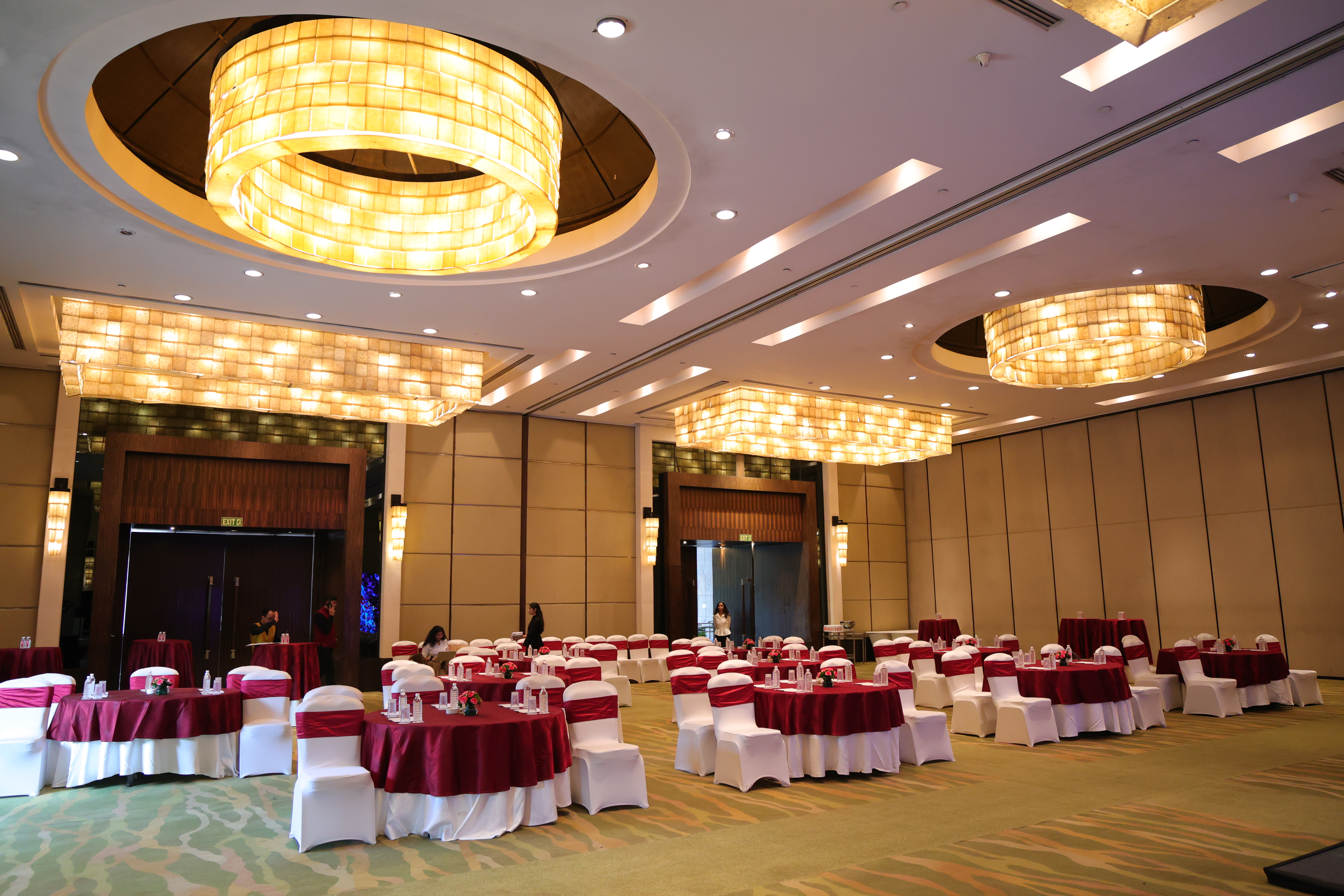
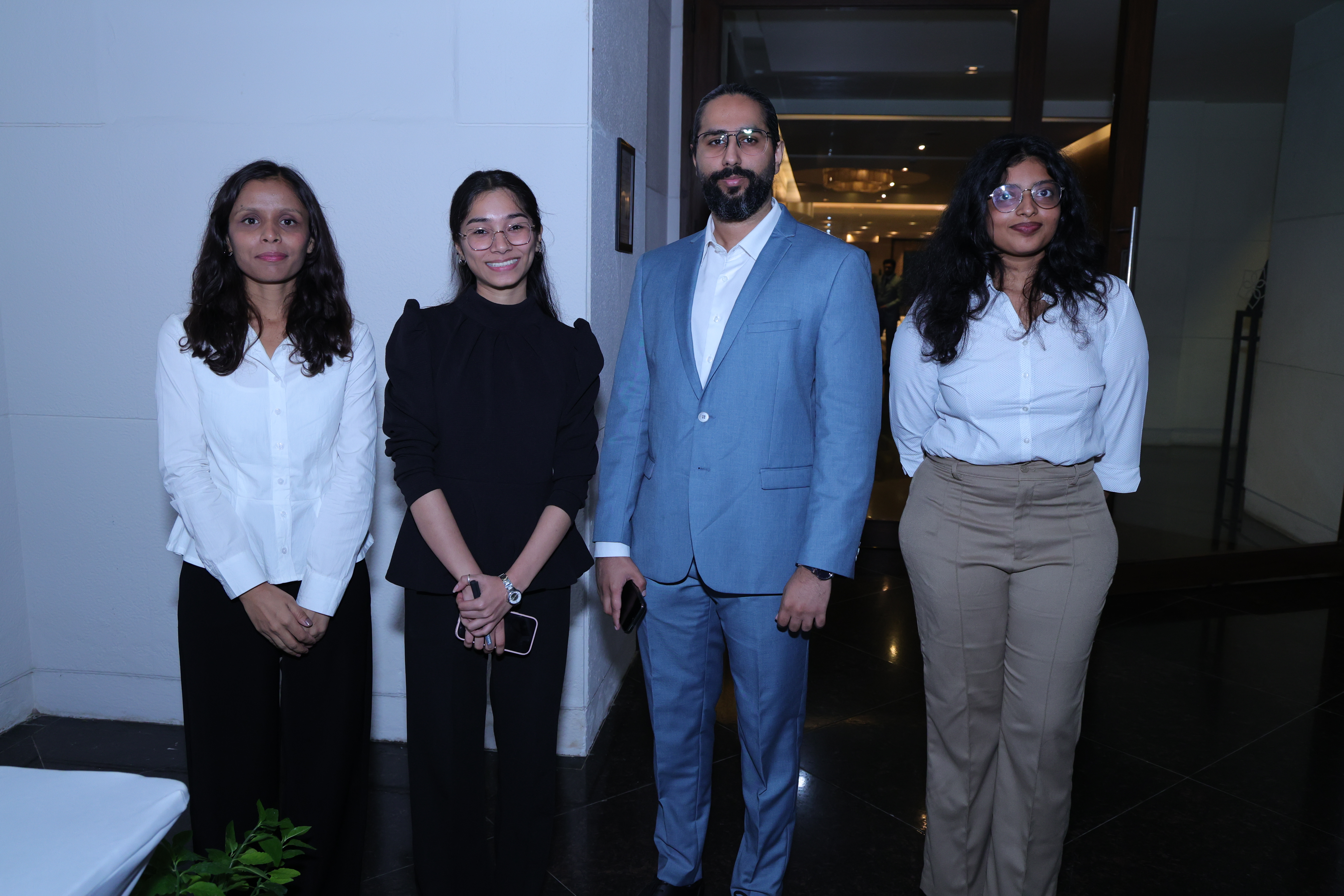
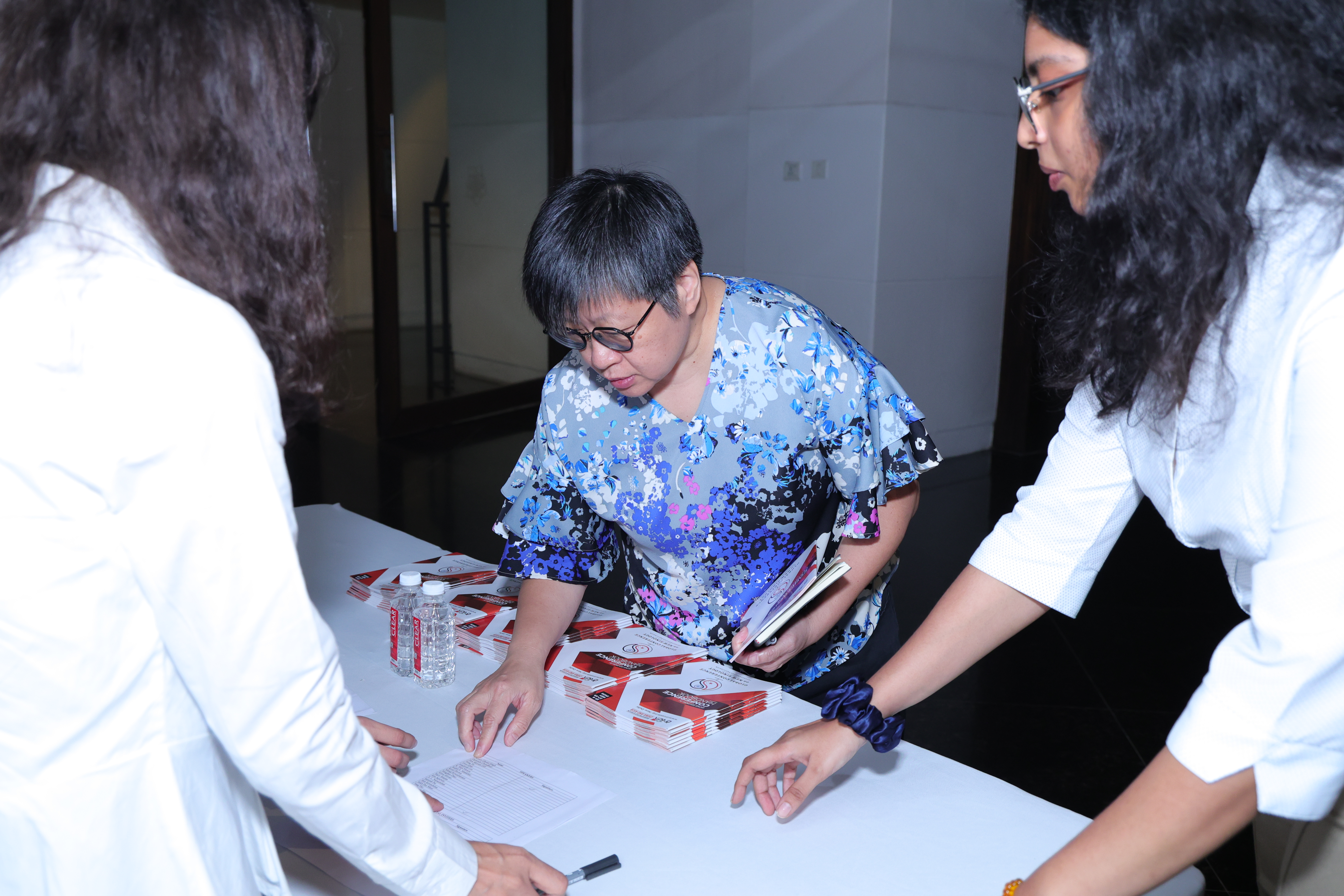
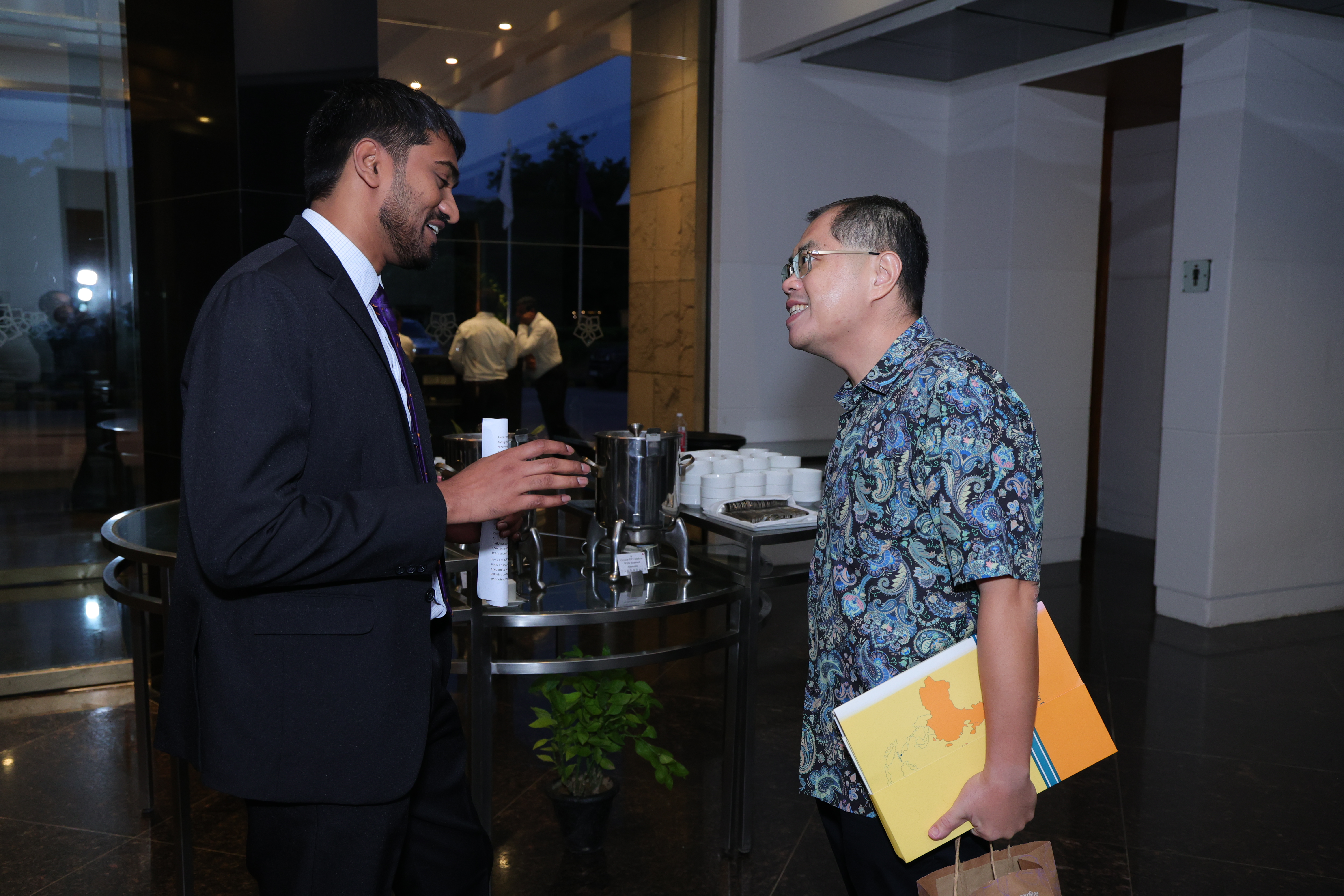
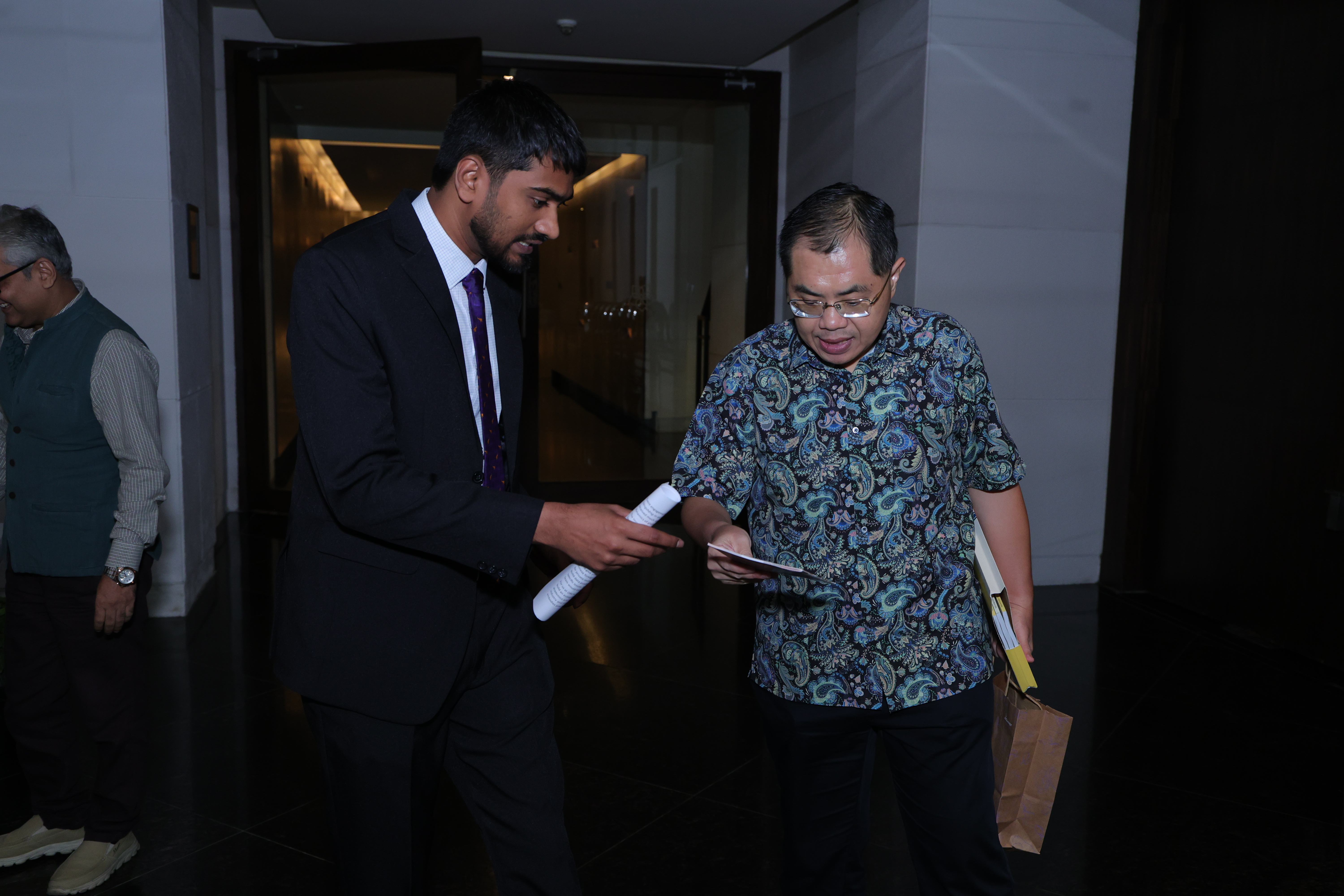
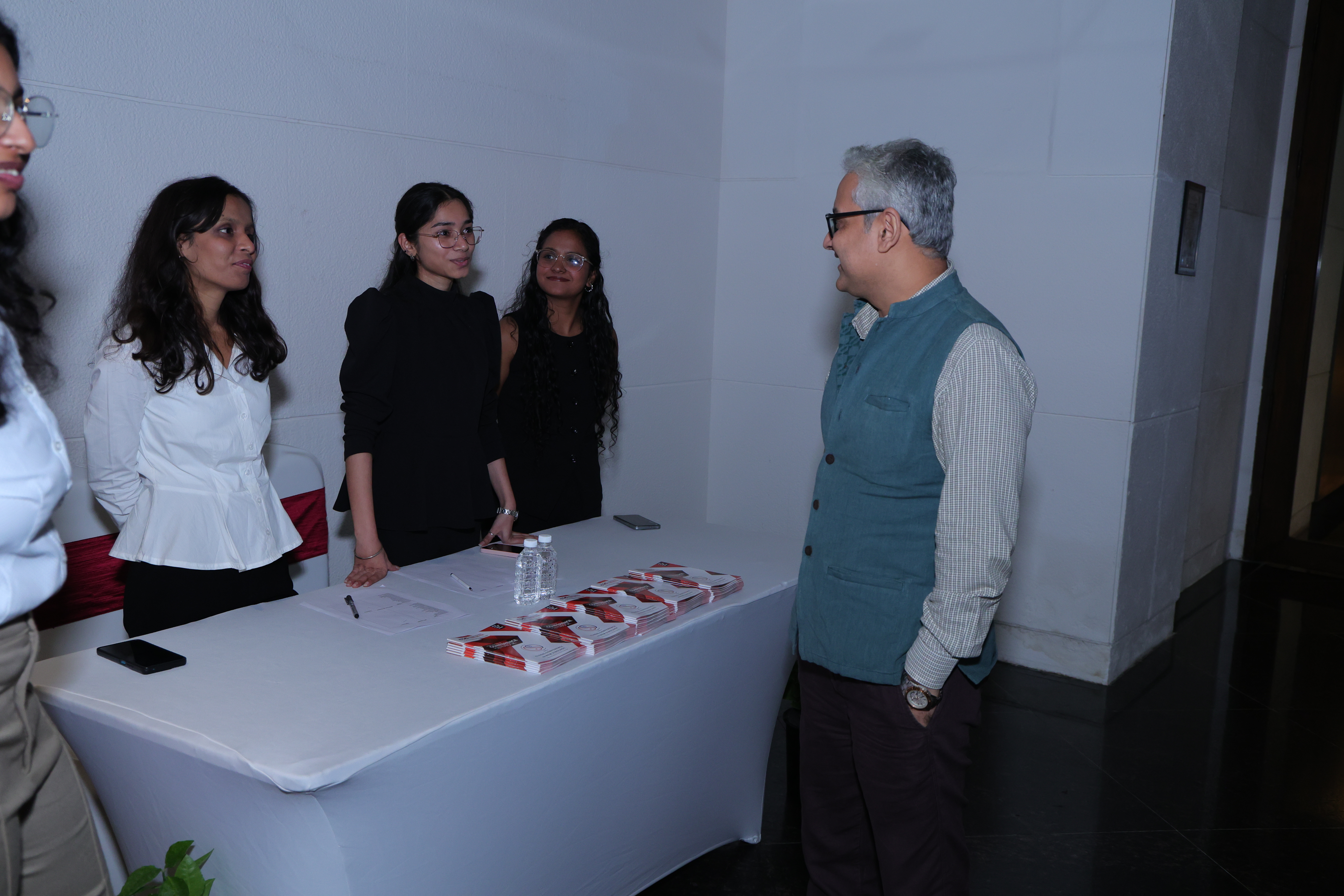
The inaugural GCNS (2023) hosted 55+ national and international experts and 400+ delegates across five sessions and 22+ panels. The 2024 edition brought together 60 experts and again welcomed 400+ delegates across five sessions. In 2025, GCNS adopted a revised format, with the second day held as a closed-door programme, bringing together around 40 national and international experts alongside 200+ conference delegates. Collectively, the GCNS conference reports have attracted over 27,000+ views, reflecting sustained engagement with the conference's outputs. GCNS remains India's foremost - and only - dialogue-driven conference dedicated to Chinese domestic politics, integrating emerging perspectives in New Sinology while convening South Asia’s largest gathering of Indian and international China scholars. Bringing together sinologists, scholars, policymakers, diplomats, industry experts and researchers from around the world, GCNS every edition continues with its aim to foster interdisciplinary dialogue on the intellectual foundations of Chinese statecraft in New Delhi.
OTHER EDITIONS
GCNS 2025
GCNS 2025
The Global Conference on New Sinology (GCNS) 2025 was held on 23rd-24th September 2025 at The India International Centre, New Delhi, under the theme "China’s ‘Dream’ for a New Mandate of Power".
VisitGCNS 2024
GCNS 2024
The Global Conference on New Sinology (GCNS) 2024 was held on 26th-27th September 2024 at The Grand, New Delhi, under the theme "The Art of Power in Zhongnanhai".
VisitGCNS 2023
GCNS 2023
The Global Conference on New Sinology (GCNS) 2023 was held on 25th-26th September 2023 at The Grand, New Delhi, under the theme "China's Superpower Ambitions in the New Era".
VisitPartners
Ministry Partner
The Ministry of External Affairs (MEA) is India's Foreign Ministry. It is tasked with formulating and implementing India's foreign policy and representing the country on the global stage.

Research and Event Cooperation Partner
ORCA Consultancy provides expert-led advisory and research services tailored to help our clients navigate the complexities of China’s political and economic landscape.
Venue Partner
India International Centre is one of India's premier cultural institutions where statesmen, diplomats, policymakers, intellectuals, scientists, jurists, writers, artists and members of civil society meet to initiate the exchange of new ideas and knowledge in the spirit of international cooperation.
Hospitality Partner
The Grand is a premier 5-star luxury hotel in Vasant Kunj, New Delhi.

Travel Partner
A2Z Voyages LLP provides comprehensive travel solutions and are known for their customer centric-approach.
GCNS Team
The GCNS is ideated and organised by the Team at ORCA, led by Director, Eerishika Pankaj.

Eerishika Pankaj
Convenor
Eerishika Pankaj is the Director of New Delhi based think-tank, the Organisation for Research on China and Asia (ORCA), which focuses on decoding domestic Chinese politics and its impact on Beijing’s foreign policymaking. She is also the Convenor of ORCA's Global Conference on New Sinology (GCNS), which is India's premier dialogue driven China conference. She is also an Editorial and Research Assistant to the Series Editor for Routledge Series on Think Asia; a Young Leader in the 2020 cohort of the Pacific Forum’s Young Leaders Program; a Commissioning Editor with E-International Relations for their Political Economy section; a Member of the Indo-Pacific Circle and a Council Member of the WICCI’s India-EU Business Council. Primarily a China and East Asia scholar, her research focuses on Chinese elite/party politics, the India-China border, water and power politics in the Himalayas, Tibet, the Indo-Pacific and India’s bilateral ties with Europe and Asia. In 2023, she was selected as an Emerging Quad Think Tank Leader, an initiative of the U.S. State Department’s Leaders Lead on Demand program. She was recognised as a youth icon on India’s first 25 under 25 List for policy and politics in 2022 by Young India Foundation. Eerishika is the co-editor of the book 'The Future of Indian Diplomacy: Exploring Multidisciplinary Lenses' and of the Special Issues on 'The Dalai Lama’s Succession: Strategic Realities of the Tibet Question' as well as 'Building the Future of EU-India Strategic Partnership'. She can be reached on [email protected]
Rahul Karan Reddy
Co-Convenor
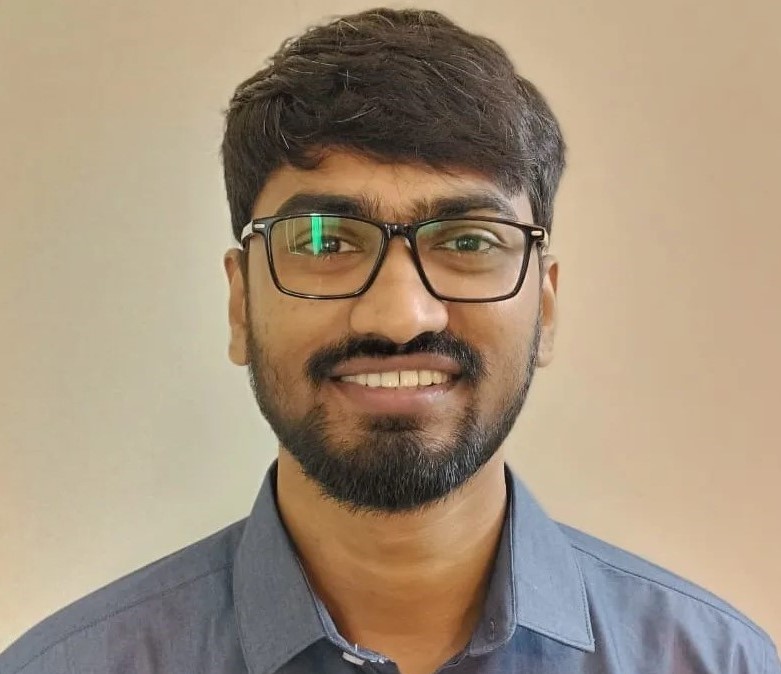
Rahul Karan Reddy is Senior Research Associate at Organisation for Research on China and Asia (ORCA). He works on domestic Chinese politics and trade, producing data-driven research in the form of reports, dashboards and digital media. He is the author of ‘Islands on the Rocks’, a monograph on the Senkaku/Diaoyu island dispute between China and Japan. He is the creator of the India-China Trade dashboard, the Chinese Provincial Development Indicators dashboard and co-lead for the project ‘Episodes of India-China Exchanges: Modern Bridges and Resonant Connections’. He is co-convenor of ORCA’s annual conference, the Global Conference on New Sinology (GCNS) and co-editor of ORCA’s daily newsletter, Conversations in Chinese Media (CiCM). He was previously a Research Analyst at the Chennai Center for China Studies (C3S), working on China’s foreign policy and domestic politics. His work has been published in The Diplomat, 9 Dash Line, East Asia Forum, ISDP & Tokyo Review, among others. He is also the Director of ORCA Consultancy.

Omkar Bhole
Co-Convenor
Omkar Bhole is a Senior Research Associate at the Organisation for Research on China and Asia (ORCA). He has studied Chinese language up to HSK4 and completed Masters in China Studies from Somaiya University, Mumbai. He has previously worked as a Chinese language instructor in Mumbai and Pune. His research interests are India’s neighbourhood policy, China’s foreign policy in South Asia, economic transformation and current dynamics of Chinese economy and its domestic politics. He was previously associated with the Institute of Chinese Studies (ICS) and What China Reads. He has also presented papers at several conferences on China. Omkar is currently working on understanding China’s Digital Yuan initiative and its implications for the South Asian region including India. He can be reached at [email protected] and @bhole_omkar on Twitter.

Ratish Mehta
Co-Convenor
Ratish Mehta is a Senior Research Associate at Organisation for Research on China and Asia (ORCA). He is the co-editor of the Special Issue on India’s Soft Power Diplomacy in South Asia and serves as the co-lead for the project ‘The Episodes of India-China Exchanges: Modern Bridges and Resonant Connections’, which is rooted in the desire to enhance public consciousness of cross-cultural contributions of both societies. Ratish’s area of interest includes understanding the value of Narratives, Rhetoric and Ideology in State and Non-State interactions, deconstructing political narratives in Global Affairs as well as focusing on India’s Foreign Policy interests in the Global South and South Asia. He was previously associated with The Pranab Mukherjee Foundation and has worked on projects such as Indo-Sino relations, History of the Constituent Assembly of India and the Evolution of its Democratic Institutions. He is also the co-convenor of ORCA's Global Conference on New Sinology (GCNS), which is India's premier dialogue driven China conference. He is an alumnus of Ambedkar University, Delhi.

Ophelia Yumlembam
Co-Convenor
Ophelia Yumlembam is a Research Associate at the Organisation for Research on China and Asia (ORCA). Before joining ORCA, she worked at the Dept. Of Political Science, University of Delhi, and interned at the Council for Strategic and Defence Research in New Delhi. She graduated with an M.A. in Political Science from the DU in 2023. Ophelia focuses on security and strategic-related developments in Myanmar, India's Act East Policy, India-Myanmar relations, and drugs and arms trafficking in India’s North Eastern Region. Her writings have been featured in the Diplomat, South Asian Voices (Stimson Centre), 9dashline, Observer Research Foundation, among other platforms.

Chitra Nair
Chitra Nair is a Research Associate at the Organisation for Research on China and Asia (ORCA). She is a postgraduate in Chinese Studies from SOAS University of London, holding a bachelor’s degree in International Relations with a minor in Environmental Studies from FLAME University, India. Her research explores contemporary Chinese politics, digital activism, political expression and censorship. She is especially interested in how the state and citizens negotiate power and legitimacy, questions which she seeks to explore through a political sociology lens. She previously interned at the Institute of Chinese Studies, New Delhi, where she published work on media censorship and the queer community in China. Her dissertation, Digital Panopticon : Activism and State Surveillance in China, examines digital activism and censorship in China through three key case studies.
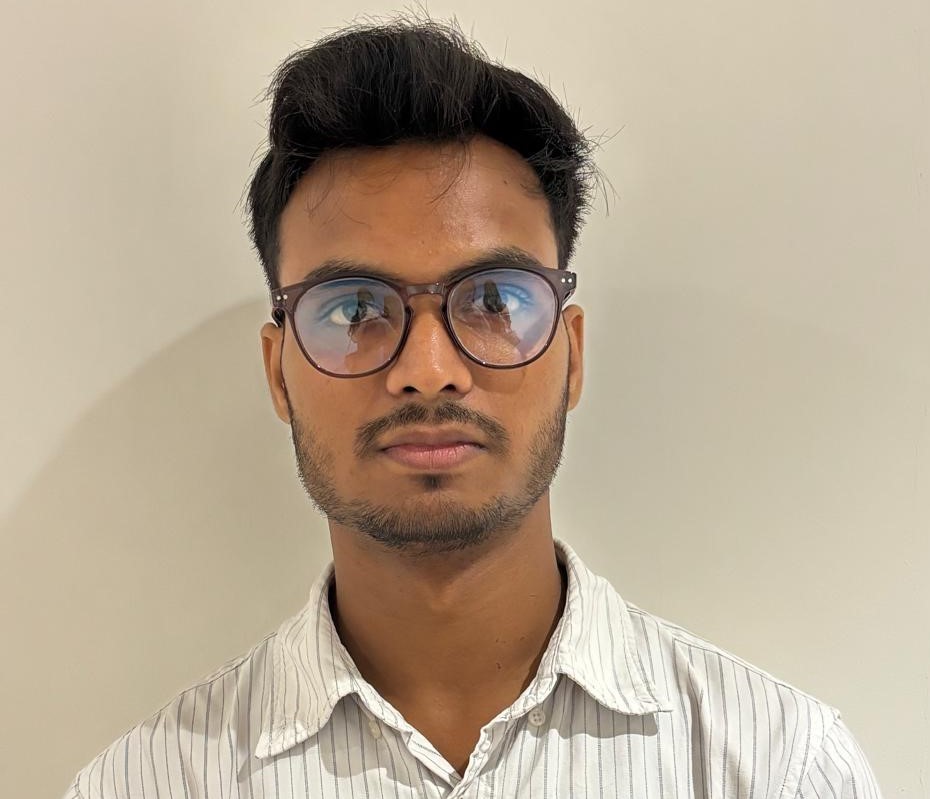
Afridi Ahmed
Afridi Ahmed is a Administrative Assistant and Junior Researcher at Organisation for Research on China and Asia (ORCA). He is a postgraduate in Conflict Analysis and Peacebuilding from Jamia Millia Islamia, New Delhi. His research interests span strategic studies, Japanese foreign policy, and China’s strategic interactions across South and Southeast Asia.

Neha Maurya
Neha Maurya is a Project Assistant at Organisation for Research on China and Asia (ORCA). A recent graduate of FLAME University with a major in International Studies and a minor in Public Policy, her research interests include strategic studies, governance, and education policy. She is interested in contributing to research that informs effective policy design and implementation.
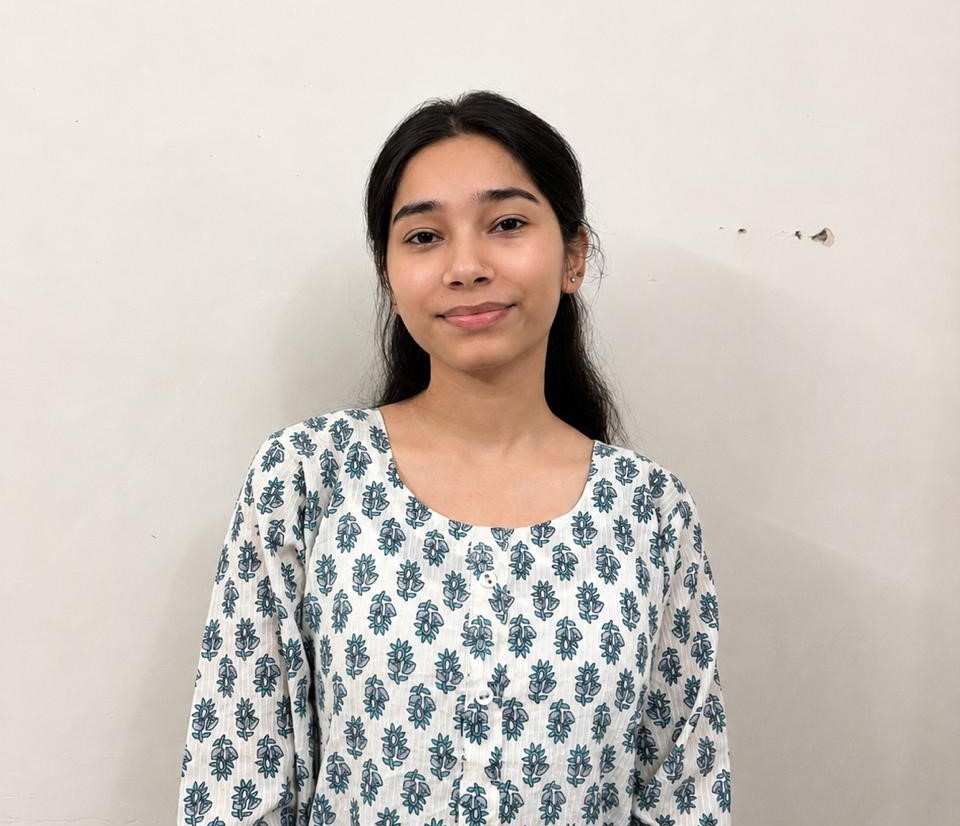
Arushi Sharma
Arushi Sharma is a Research Intern at Organisation for Research on China and Asia (ORCA). She is a recent postgraduate in East Asian Studies from the University of Delhi and holds a Bachelor's degree in Chinese Language from K.R. Mangalam University. She has previously worked as a Subject Matter Expert in Mandarin Language at Unacademy. Her primary research interests focus on China's domestic politics and international economic statecraft.
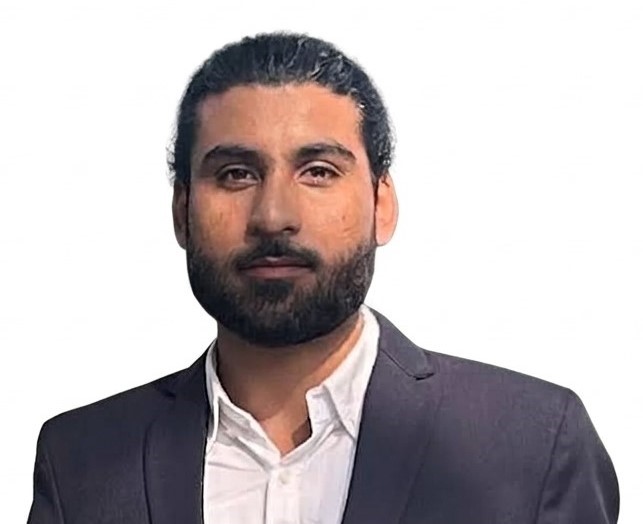
Musssaib Rasool Mir
Musssaib Rasool Mir is the Conference Coordinator, GCNS 2026 at ORCA and a Senior Research Fellow at the School of International Studies, Department of South and Central Asian Studies, Central University of Punjab, India. He has done his masters in Political Science from the Department of Political Science, University of Kashmir, Hazratbal Srinagar. He has qualified for JKSET, UGC NET, AND JRF. Also, he has been a contributor to various local as well as online portals like Greater Kashmir, Rising Kashmir, The Geopolitics, Mainstream Weekly, The Pioneer, etc. His ongoing Ph.D. research thesis is titled ‘Situating China in the Bilateral Relationship of India & USA, 2012-2022.’ Author has also presented papers at various national and international conferences in India like SOLH Woxsen University Hyderabad, RGNUL Patiala, Delhi University, IPSA, etc. Author has also published research articles in Journal of Political Science and International Relations, Inclusive Journal, IUP Journal of International Relations, Indian Studies Review, Indian Journal of International Studies, Chinese Journal of International Review, Journal of Peace Studies, Journal of Political Science and International Relations, etc. The author also published a book “Fundamentals of Political Science with the JSR Publications” in 2024.

Chhavista Singh
Chhavista Singh is the Conference Coordinator, GCNS 2026 at ORCA and she is pursuing a Master’s in International Relations at South Asian University, New Delhi. Her interests lie in geopolitics, public policy, and soft power, with experience in research, youth diplomacy, and cross-cultural engagement through academic and international initiatives.